Miles Between Silence: Why the Car Is the Only Place You'll Ever Tell the Truth
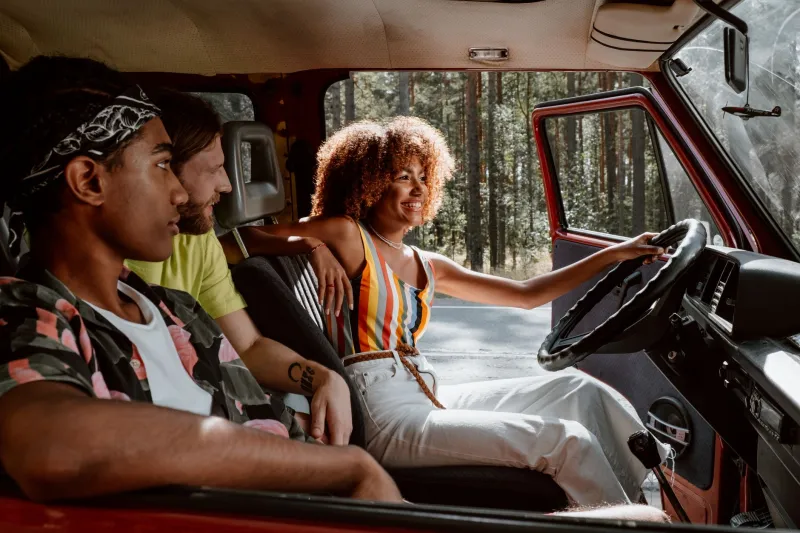
It usually happens somewhere around hour three. The playlist has cycled through twice. The novelty of the scenery has settled into a comfortable hum. And then, out of nowhere, someone says something real.
Not small talk. Not "what do you want to eat at the next exit." Something real — a confession, a fear, a question they've been sitting on for months. And the other person, staring at the road or watching the plains scroll by, answers honestly. No eye contact required. No awkward pause to fill. Just two people, a moving vehicle, and the strange magic of forward motion.
If you've spent any meaningful time on a road trip, you already know this feeling. But have you ever stopped to wonder why the car unlocks something that a living room couch, a therapist's office, or even a long dinner table just can't?
The Science Behind the Confession Lane
Psychologists have actually studied this, and the findings are pretty fascinating. A lot of it comes down to what researchers call "side-by-side" versus "face-to-face" interaction. When you're sitting across from someone — at a table, in a coffee shop, across a desk — you're in a naturally evaluative position. You're watching each other's faces, reading every micro-expression, unconsciously performing for an audience of one.
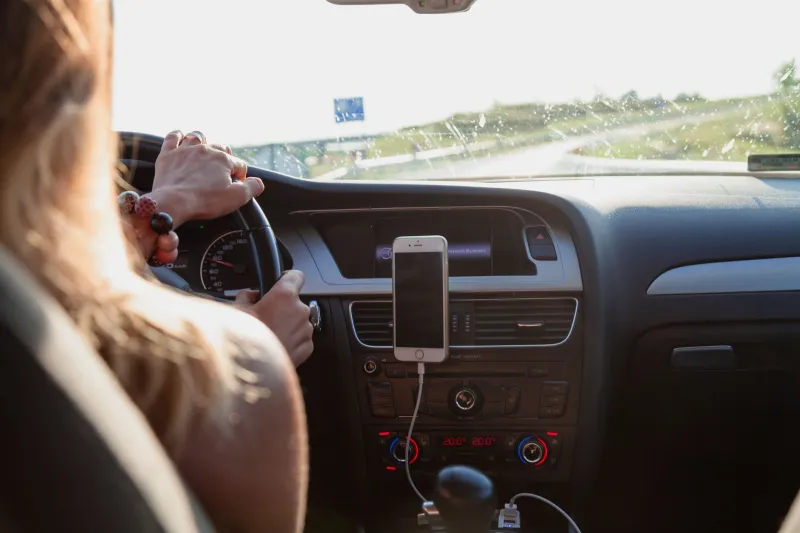
In a car, that dynamic flips. You're both facing forward. The windshield is your shared focal point, not each other's eyes. That subtle shift removes a huge chunk of social pressure. You're no longer presenting yourself. You're just... existing, side by side, moving through space together. It's one of the few configurations in modern life where two people can be fully present with each other without the weight of constant eye contact.
Add to that the rhythmic motion of driving — the gentle vibration, the visual flow of mile markers and fence posts — and you've got what some researchers describe as a mild meditative state. Your nervous system settles. Your defenses drop. And suddenly, things that felt impossible to say at home come out like they've been waiting at the door.
The Stories That Only Happen Between Mile Markers
Ask any seasoned road tripper about their most memorable conversations, and chances are, none of them happened at a destination. They happened between them.
Take Marcus, a 34-year-old from Atlanta who drove Route 66 with his dad the summer before his father's retirement. "We'd been kind of distant for years," he says. "Both of us busy, different cities. But somewhere in Oklahoma, we just started talking. Really talking. He told me about how scared he was when I was born, how he didn't know if he'd be a good father. I never knew any of that. We pulled over at a random rest stop and sat there for an hour just... talking. It was the best conversation of my life, and it happened in a Chevy Silverado."
Or consider Priya, a 28-year-old from Chicago who did a solo drive through the Pacific Northwest last fall. She picked up a hitchhiker outside of Ashland, Oregon — something she'd never done before — and spent two hours hearing about a woman who'd walked away from a 20-year career to live out of a van. "She said things that I kept thinking about for weeks afterward. About what we owe ourselves versus what we owe everyone else. I don't even know her last name, but that conversation changed how I think about my own life."
These aren't anomalies. They're almost a genre of road trip experience — the unexpected depth that emerges when motion creates permission.
Why Everyday Life Doesn't Give You This
Here's the uncomfortable truth: most of our daily environments are actually terrible for honest conversation. We're at home, where there are dishes to do and shows to watch and a hundred easy exits from any difficult topic. We're at restaurants, performing for each other and for the room. We're on our phones, which offer the illusion of connection while quietly killing depth.
A road trip strips a lot of that away. You can't scroll your way out of a hard conversation when you're three hours from the nearest city. You can't suddenly "remember something" and leave the room. You're in it, together, committed to the same direction.
There's also something about the temporary nature of road trip time that loosens people up. You're already outside your normal life — outside your routines, your roles, your usual social context. That geographic distance from home creates a kind of emotional permission slip. What happens on the road, emotionally speaking, often feels safer to say precisely because you're not in your regular world.
The Rhythm That Replaces Awkward Silence
One thing veteran road trippers notice is that silence in a car is different from silence anywhere else. At home, a quiet moment can feel like a gap to fill, a sign of disconnection. On the road, silence is just another texture of the journey. You can sit with someone for twenty minutes without saying anything and it doesn't mean anything is wrong. It just means you're both watching the same mountains.
And weirdly, it's often right after those silences that the most important things get said. The quiet builds a kind of pressure, not uncomfortable, but generative. Like the road itself is asking: okay, what's actually on your mind?
Long-haul truck drivers have talked about this for decades — the way extended time on the road creates a reflective headspace that's hard to find anywhere else. Therapists who specialize in adolescent psychology have started using "drive-and-talk" sessions instead of office visits because teenagers who won't say a word on a couch will open up completely in a moving car. The research keeps pointing in the same direction: motion loosens the mind.
How to Actually Use This on Your Next Trip
You don't have to engineer deep conversation — in fact, trying too hard will kill it instantly. But there are a few things that help create the conditions for it.
Leave space in your playlist. Constant music is a conversation killer. Let there be stretches of quiet, or switch to something instrumental that doesn't demand attention.
Put the phones away for at least part of the drive. Not forever, not dramatically — just commit to an hour or two where the road gets your full presence. The conversation will find you.
Don't rush through the miles. The people who have the best road trip conversations aren't the ones racing to their destination. They're the ones who let the drive be the point.
And maybe most importantly: be willing to go first. Say the thing that's been sitting in your chest. Ask the question you've been avoiding. The road will hold it. So will the person riding next to you.
What the Road Already Knows About You
There's a reason people describe certain road trips as "life-changing" even when nothing dramatic happened. No flat tires, no wrong turns, no grand adventures — just miles, and the person next to them, and a conversation that finally said what needed saying.
The car doesn't judge. The road doesn't remember. And somehow, that's exactly what makes it the safest place in the world to be honest.
So next time you're behind the wheel or riding shotgun, pay attention to what comes up when the miles start stacking. You might be surprised what you've been waiting to say — and who you actually are when the road gives you room to find out.