Rest Stop, USA: The Forgotten Roadside Landmarks That Defined the American Drive
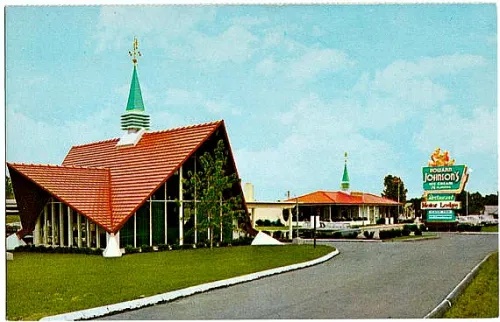
Photo: tichnor bros. lusterchrome, Public domain, via Wikimedia Commons
Pull off almost any major interstate today and you'll find the same thing: a low concrete building with flickering fluorescent lights, a row of vending machines offering chips that expired during a previous administration, and a parking lot where semi-trucks idle through the night. If you're lucky, there's a tourist information rack with brochures for attractions nobody visits anymore.
It wasn't always this way.
For a few decades in the mid-twentieth century, America's highway rest stops were something else entirely — small but genuine expressions of civic pride, regional identity, and the peculiar optimism that came with the Interstate Highway System. They were the punctuation marks of the American road trip: places where the journey paused, strangers talked, and kids ran off energy before another four hours of backseat boredom.
Most of that is gone now. But not all of it.
How Rest Stops Became a Thing
The modern highway rest area grew out of the same mid-century infrastructure boom that gave us the Interstate Highway System itself. When President Eisenhower signed the Federal Aid Highway Act in 1956, the goal was mobility — moving people and goods across the country faster and more efficiently than ever before. But somebody had to figure out where all those drivers were going to stretch their legs.
Early rest stops were often simple pull-offs with picnic tables and outhouses. But through the 1960s and '70s, states started investing more seriously in these facilities, building actual structures with restrooms, vending areas, and — in some cases — genuinely impressive architecture. States competed, in their own understated way, to make a good impression on passing motorists. The rest stop was, in a sense, a state's first handshake with a visitor.
Florida built open-air pavilions with tropical landscaping. Texas erected stone structures that nodded to the Hill Country's vernacular architecture. Michigan installed exhibits about Great Lakes history. Virginia staffed its welcome centers with actual human beings trained to give travel advice. These weren't grand gestures, but they were real ones.
The Long Decline
Then came the budget cuts. The deferred maintenance. The privatization debates. The rise of the highway interchange with its cluster of fast food chains and gas stations, offering a more commercially legible version of the rest stop experience.
By the 1980s and '90s, funding for traditional rest areas had dried up in many states. The facilities that remained open often did so on skeleton budgets — just enough to keep the bathrooms technically functional. The picnic tables rotted. The landscaping went brown. The tourist information racks collected dust.
Some states closed their rest areas entirely, citing cost. Others handed them over to private operators who replaced the regional character with chain coffee and branded signage. The result, across thousands of miles of American highway, was a creeping sameness — the disappearance of the small, specific, slightly odd places that made long drives feel like actual travel through somewhere, rather than a featureless corridor between points.
What got lost wasn't just comfort. It was contact. The old rest stop was one of the last places on the road where people from completely different walks of life — retirees in RVs, families on vacation, truckers on a schedule, solo travelers chasing something undefined — all ended up in the same parking lot, often striking up conversations they'd never have had otherwise. That accidental community is harder to find now.
The Ones Still Worth Stopping For
Here's the good news: a handful of states never gave up on the rest stop. And a few are actively bringing them back. If you're routing a road trip and want to seek out the genuine article, these are worth building your itinerary around.
Virginia Welcome Centers remain some of the best-staffed and best-maintained in the country. Virginia has long treated its border welcome centers as genuine ambassadors for the state, and it shows. The staff actually know things — local routes, hidden attractions, current road conditions. Pull off I-95 heading south and you'll understand what the rest of the country used to have.
The New Mexico Welcome Center on I-40 near Gallup is a low-key architectural gem — adobe-influenced design, regional artwork, and a view of high desert terrain that makes the stop feel earned. It's the kind of place that reminds you why you're on the road in the first place.
Michigan's Rest Areas along I-75 in the Upper Peninsula lean into the state's natural heritage with trail maps, wildlife information, and picnic areas set against genuine north woods scenery. They feel less like infrastructure and more like an invitation.
The Texas Travel Information Centers — particularly the one in Amarillo on I-40 — are staffed by knowledgeable volunteers and feature regional exhibits that give you a real sense of where you are. Texas has maintained these centers with unusual consistency, and road trippers who skip them are missing out.
Wisconsin's rest areas frequently feature local history displays and, in some locations, genuinely excellent picnic facilities with views of rolling farmland that make a twenty-minute break feel restorative rather than obligatory.
The Advocates Fighting Back
It's not just states. A loose coalition of preservation advocates, travel writers, and road trip enthusiasts has been pushing back against the decline of the American rest stop for years — arguing that these facilities represent something culturally important that can't be replicated by a Pilot Flying J.
The argument isn't nostalgic for its own sake. It's practical. Well-maintained rest areas reduce driver fatigue and accident rates. They support tourism by giving travelers the information and the breathing room they need to explore beyond the interstate. And in a country that increasingly struggles to find public spaces where strangers mix across class and background, a good rest stop is quietly radical.
Some states are listening. Recent infrastructure investment has included rest area renovations in several states, with updated facilities, better lighting, and in some cases, a return to the regional character that made these places interesting in the first place.
What to Look For on Your Next Drive
If you want to seek out the best of what's left — and support the case for keeping it — here's how to approach rest stops differently on your next road trip:
Check state DOT websites before you drive. Many states publish rest area guides that note which facilities are staffed, which have been recently renovated, and which offer regional information.
Give the tourist brochure rack a genuine look. Yes, half of it is outdated. But buried in there, sometimes, is a hand-placed flyer for a local festival or a pamphlet for an attraction that never made it to the algorithm. These are the finds that make a trip.
Talk to the staff. In states that still staff their welcome centers, the people behind the counter often have road knowledge that no app can replicate. Ask what's worth seeing nearby. Ask what to avoid. You'll be surprised.
Sit at the picnic tables. Even for ten minutes. The point of a rest stop was never just the bathroom. It was the pause itself — the reminder that the road is a place to be, not just a means to get somewhere else.
America's rest stops are, in many ways, a mirror for how we value public space and shared experience. The ones that have been allowed to decay say something about what we've decided doesn't matter. The ones that have been preserved — or fought for — say something better.
Either way, they're worth paying attention to. Pull off. Look around. You might find more than you expected.