Full Tank, Full Story: What Gas Stations Reveal About the Soul of the American Road Trip

Photo by Photo by Mick Haupt on Unsplash on Unsplash
Somewhere between the interstate on-ramp and the next big national park, there's a gas station. Maybe it's a gleaming corporate box with 24 pumps and a loyalty rewards app. Maybe it's a sun-bleached cinder block building with a hand-painted sign and a cooler full of local hot sauce. Either way, you're stopping. And if you're the kind of traveler who pays attention, that stop might just be the most interesting five minutes of your whole day.
Gas stations don't get a lot of love in the road trip highlight reel. They're the filler between the scenic overlooks and the Instagram-worthy diners. But strip away the routine and you'll find something genuinely fascinating — a living record of how America moves, what it values, and how different the country feels depending on which pump you're standing at.
From Curbside Pumps to Cultural Landmarks
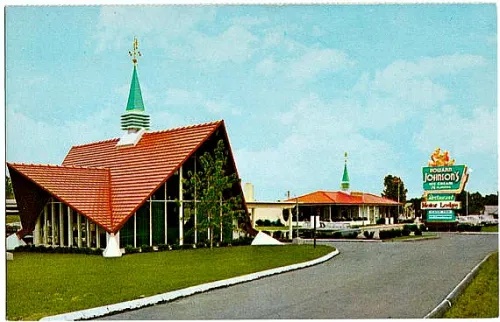
The American gas station has been part of the road trip story since the early 1900s, when refueling meant pulling up to a hardware store and hoping someone had a drum of gasoline out back. By the 1920s and '30s, purpose-built stations started popping up along newly paved highways, many of them designed to look like little cottages or Tudor mansions — because oil companies figured you'd feel better about spending money somewhere charming.
Those early stations were part service center, part community hub. Attendants pumped your gas, checked your oil, and probably knew your name. The architecture was regional, the signage was hand-lettered, and the whole experience was deeply local.
Fast forward a few decades and the interstate highway system changed everything. Standardization crept in. National chains took over. By the 1980s and '90s, the gas station had largely become a transaction — fast, anonymous, forgettable. But something interesting happened along the way: the places that didn't follow that script became destinations in their own right.
The Independents Worth Going Out of Your Way For
If you're planning a road trip and you want to feel something real, start hunting for the independent stations that survived the corporate wave. They exist in every region, and they tend to cluster along the older highways — Route 66, US-50, the Blue Ridge Parkway corridor — where the interstate bypass never fully killed off the original road culture.
Jackpot, Nevada has a cluster of old-school gas stations along US-93 that double as mini convenience stores selling everything from beef jerky to turquoise jewelry. They feel like time capsules, which is exactly the point.
Two Guns, Arizona — technically a ghost town, but the ruins of an old Phillips 66 station sit right off Route 66 and draw enough curious travelers to make the detour worth it. It's eerie, beautiful, and completely free.
Buc-ee's, the Texas-born chain that's now spreading across the South, occupies a weird middle ground between indie spirit and corporate scale. Their locations are enormous, their beaver nuggets are inexplicably addictive, and the bathrooms are genuinely legendary. They've become a road trip ritual for millions of Southerners, which makes them culturally significant whether you love them or not.
Stuckey's locations — the ones that are still open — remain a nostalgic touchstone for anyone who grew up road tripping in the American South. Pecan logs and roadside kitsch, still going strong at select locations across the Southeast.
Regional Flavors at the Pump
One of the best things about road tripping is watching the country change around you. Gas stations are a surprisingly reliable indicator of where you are.
In the rural South, you'll find stations that double as full-service barbecue joints or soul food counters. The food is almost always better than anything you'd find at a chain restaurant, and the portions are designed for people who work with their hands.
In the Mountain West, independent stations often carry a surprising range of outdoor gear — tire chains, bear spray, emergency blankets — because the locals know that conditions can shift fast. The person behind the counter will usually give you a straight answer about road conditions if you ask.
Along the Gulf Coast, you'll stumble across bait-and-fuel combos that smell like low tide and sell crawfish by the pound. The coffee is strong and the conversation is stronger.
In New England, certain old-school full-service stations still exist — actual human beings who pump your gas and clean your windshield. They feel like artifacts from another era, and they're worth seeking out.
The Rise of the Convenience Store and What Got Lost
Let's be honest about something: the modern gas station convenience store is a marvel of logistics. You can get a decent cup of coffee, a surprisingly edible hot sandwich, and a phone charger at three in the morning in the middle of nowhere. That's not nothing.
But something got traded away in the bargain. The old stations had personality because they were built by and for specific communities. The new ones are built for everyone, which means they're really built for no one. There's no local hot sauce on the shelf, no hand-lettered sign, no attendant who knows the back roads better than any GPS.
The good news is that the pendulum is swinging back, at least a little. Across the country, small operators are opening stations that lean into local identity — stocking regional snacks, supporting local farms, decorating with community art. They're betting that travelers are hungry for something real, and they're mostly right.
How to Make the Stop Count
Next time you pull off for gas, try treating it like the experience it actually is. Go inside. Look at what's on the shelves — it tells you something about who shops there. Talk to the person at the register if they're not slammed. Ask them where locals eat, what the road ahead looks like, whether there's anything worth seeing that's not on the map.
You'd be surprised how often that conversation changes your whole day.
The road trip isn't just the scenic overlooks and the planned stops. It's the unplanned ones too — the weird little detour, the unexpected conversation, the gas station that turns out to have the best beef jerky you've ever eaten in your life. That's the stuff you actually remember.
Chase the Tank, Own the Moment
Every tank of gas is a small act of commitment to the journey. You're saying: I'm going further. I'm not done yet. There's more road ahead and I intend to drive it.
The stations where you make that commitment — they're part of the story whether you realize it or not. Start noticing them. Start choosing the interesting ones when you can. Your road trip will be richer for it, and so will the communities that depend on travelers who actually show up.